
How we work
From enquiry to acceptance — predictably, stage by stage
Building a power network is a chain of approvals, works and acceptances. Here is how we run a contract, who is responsible for what, and which documents the client receives at the end.
Principle
Clear scope, one schedule, regular updates
We start every contract by getting a thorough understanding of the documentation and site conditions, and we finish it with the full set of documents needed to accept the network and put it into operation. In between, we run the site so that the client always knows what stage the works are at and what will happen over the next few days.
The description below shows the typical course of a contract to build or rebuild an MV/LV cable line, a transformer substation or a renewable grid connection. The details — scope, division of responsibilities and deadlines — are always set by the contract. For a general overview of how a line is built, see our article From design to acceptance.
Stages
Seven stages of delivery
Enquiry and document review
We receive the design, bill of quantities, specification or a description of the scope. We check the technology, cable and accessory types, route lengths, the number of crossings with roads, watercourses and other utilities, and the operator's requirements.
Scope of works
- Review of design and quantities
- Identifying locations for directional drilling
- List of questions and any discrepancies
Result
- Initial assessment of scope and technology
Site visit and quotation
For larger contracts we walk the route: access, ground conditions, trees, buildings and places to store cable drums. On that basis we prepare our quotation.
Scope of works
- Site visit along the route
- Pricing of works and — where in scope — materials
- Outline schedule
Result
- Quotation with scope, schedule and terms
Contract and site preparation
Once the contract is signed, we organise everything that has to happen before the first excavator arrives. This stage, more than any other, determines how smoothly the works will run.
Scope of works
- Detailed schedule and outage plan
- Agreements with landowners and land managers
- Road occupation applications and temporary traffic management plan
- Ordering materials or taking over client-supplied materials
- Survey setting-out of the route
Result
- Site handover
- Approved schedule
Earthworks and drilling
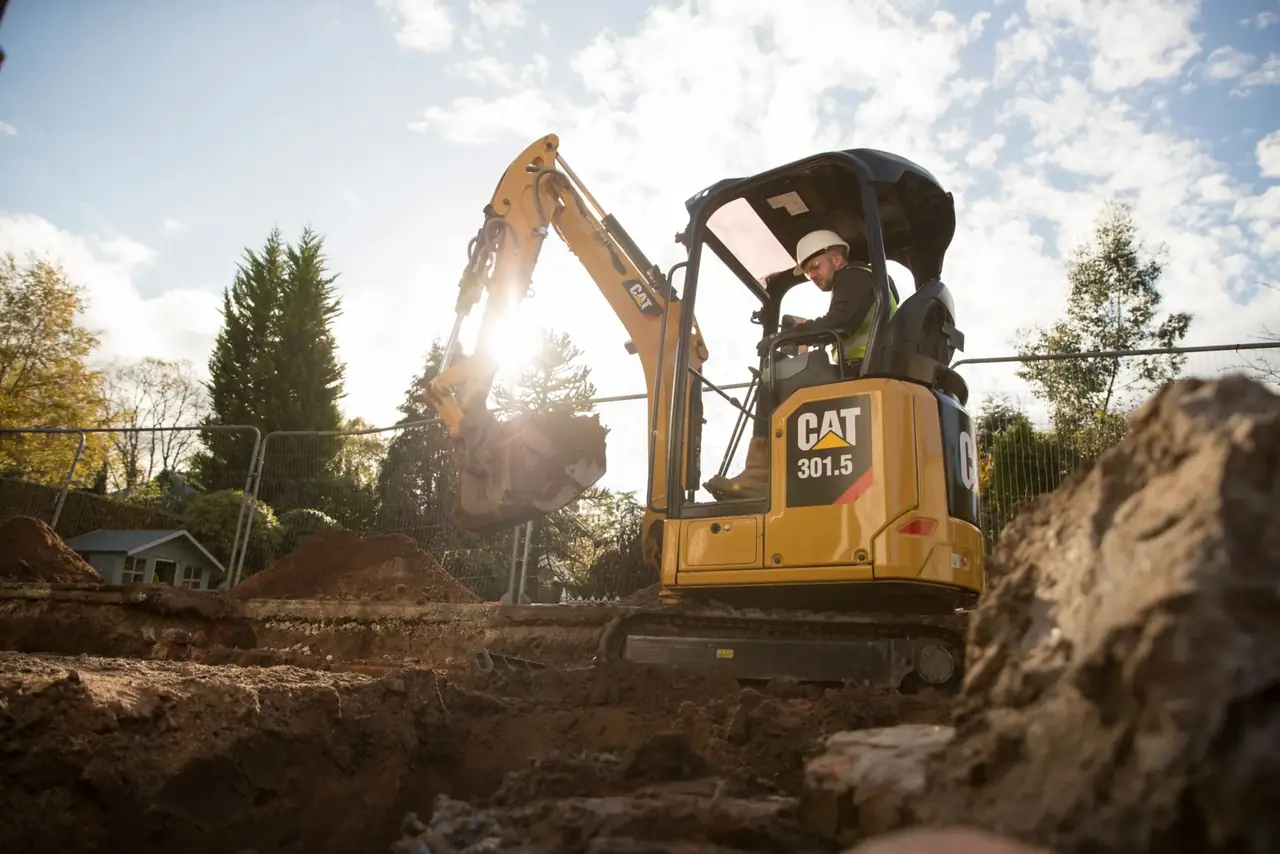
We excavate by machine and by hand (near existing utilities), carry out horizontal directional drilling and pipe jacking under roads, railways, watercourses and driveways, and lay protective pipes and cable ducts.
Scope of works
- Trenching with shoring and signage
- Directional drilling and pipe jacking
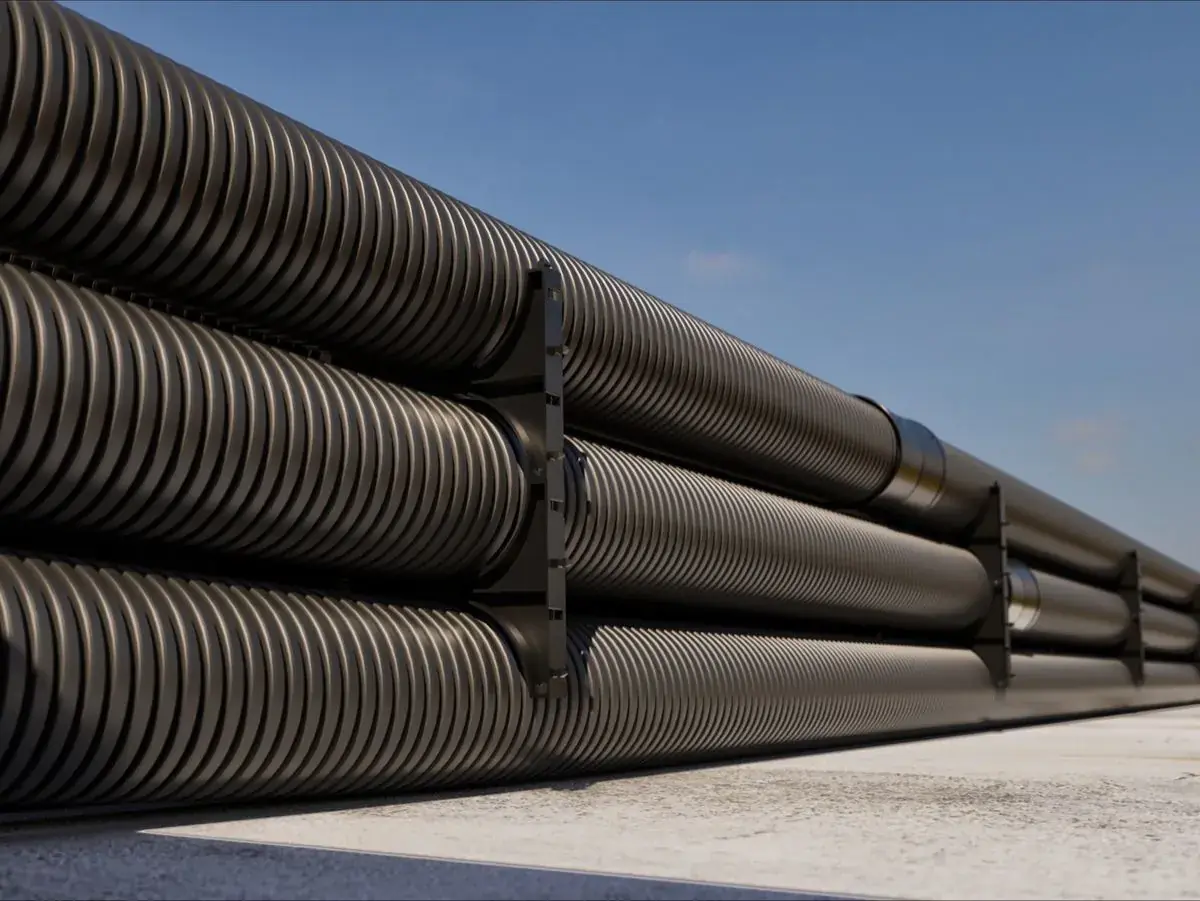
- Laying protective pipes and cable ducts
Result
- Route ready for cable laying
Electrical installation
We lay and pull MV and LV cables, install joints and terminations, set cable junctions and transformer substations, and build or replace overhead line poles.
Scope of works
- Laying cable from drums, pulling with a winch
- Installing joints and indoor, outdoor and connector terminations
- Setting ZKSN and ZK junctions and MV/LV substations
- Backfill, warning tapes, surface reinstatement
Result
- Line or substation ready for testing
Connections, switching and dismantling
During outage windows agreed with the operator we connect the new sections to the network. When undergrounding, we then dismantle the de-energised overhead line — conductors, insulators, poles and pole-mounted substations.
Scope of works
- Outage requests and participation in switching
- Connections to the existing network
- Dismantling the old line and disposing of or returning materials
Result
- New network in service, old one removed
Testing, documentation and acceptance
We carry out tests and measurements, compile the as-built documentation and the geodetic as-built survey, and take part in acceptance with the client and the operator.
Scope of works
- Acceptance tests and measurements
- Geodetic as-built survey
- Compiling as-built documentation
- Clearing any snagging items
Result
- Acceptance certificate and handover for operation
Responsibilities
Who provides what — the typical split
This is the most common split on contracts for a network operator or investor. Any item can be agreed differently in the contract — for example, materials may be supplied by the operator or delivered by us as part of equipment supply.
| Item | Client / investor | BIGBUD |
|---|---|---|
| Building or detailed design, permits and notifications | Usually provides (design and build possible for renewable projects) | Reviews the design, raises comments and proposes alternatives for approval |
| Connection conditions, right to use the land | Provides | — |
| Road authority approvals, road occupation, traffic management | Provides documents and powers of attorney | Prepares applications, installs and maintains signage |
| Materials: cables, accessories, junctions, substations | As per contract — e.g. client-supplied | As per contract — procurement and delivery to site |
| Plant, transport, installation crews | — | Provides (own machinery) |
| Network outages and switching | The operator controls the network and approves dates | Submits requests, prepares the work site, makes the connections |
| Supervision | Investor's site inspector | Works manager and crew leaders |
| Setting-out and geodetic as-built survey | — | Arranges (licensed surveyor) |
| Testing, as-built documentation | Receives and verifies | Carries out and compiles |
| Final acceptance | Appoints the acceptance committee | Attends and clears snagging items |
Communication
Reporting during construction
One point of contact
Every contract has a named person on our side who knows the state of the works and makes decisions — no passing questions along.
Schedule and outage plan
We update the schedule as the works progress and give advance notice of required outages, partial acceptances and deliveries.
Progress and photo records
On request we provide regular summaries of metres and items completed, plus photos — especially of work that will be covered up.
Clashes and changes, as they happen
Unrecorded utilities or changed site conditions happen on every site. We report them immediately, together with a proposed solution.
Site log and reports
We keep the construction records required by law and the contract, along with reports on partial acceptances and covered-up works.
No-surprise acceptance
We compile acceptance documents during the works, not after them — so acceptance can follow shortly after completion.
Acceptance documents
What the client receives at acceptance
A network handed over to the operator must be fully documented. The scope of documentation is set by the operator's requirements and the contract, but on a typical job it covers the items listed alongside.
As-built documentation is the design marked up with any changes made during construction, a description of the works carried out and a schedule of installed materials. The geodetic as-built survey is carried out by a licensed surveyor — the map showing the actual cable route and the positions of joints, junctions and substations goes into the official survey records, so the network can be located safely in future. Test reports confirm that cable insulation, conductors and sheaths, as well as earthing, meet the requirements before energisation.
- As-built documentation with changes marked up
- Geodetic as-built survey
- Acceptance test reports (incl. cable insulation and earthing)
- Certificates, declarations and data sheets for installed materials
- Reports on covered-up works and partial acceptances
- Works manager's statement and documents required by the operator
Questions
Questions about how we work
How long does it take to prepare a quote?
Usually a few working days after we receive the design or bill of quantities. For large contracts we arrange a site visit and agree a submission date. The quickest way to start is our request-for-quote form.
Can you supply the materials?
Yes. Through our equipment supply service we purchase and deliver cables, accessories, junctions and substations that meet the operator's requirements. We also work with client-supplied materials.
Who requests network outages?
We submit outage requests, following the procedure and lead times the network operator requires. The operator approves the date and carries out the switching, while we prepare the work site and make the connections.
Do you carry out the geodetic as-built survey?
We arrange it as part of the contract — it is carried out by a licensed surveyor and the result is handed over with the acceptance documents.
What does final acceptance look like?
After testing and compiling the documentation we notify readiness for acceptance. The client's or operator's committee inspects the works and documents, and we clear any comments within the agreed time. Our projects show how complete contracts have gone.
Let's talk about your project
Send us the documentation — we will reply with a quote, a schedule and a proposed split of responsibilities.